Highly Rated Immersive Escape Room Experience NYC
Designing an immersive escape room can be a challenging task. Many creators struggle to create engaging experiences that leave lasting memories. This article will explore key aspects of designing a successful room, including identifying your target audience and creating a captivating theme, as well as unique puzzles and challenges that influence player behavior. By prioritizing atmosphere and integrating storytelling techniques, such as a séance inspired by Harry Houdini, readers will discover how to enhance their escape room offerings. Engaging with this content will provide practical insights to overcome common challenges in creating unforgettable escape experiences.
Identify Your Target Audience for the Escape Room Experience
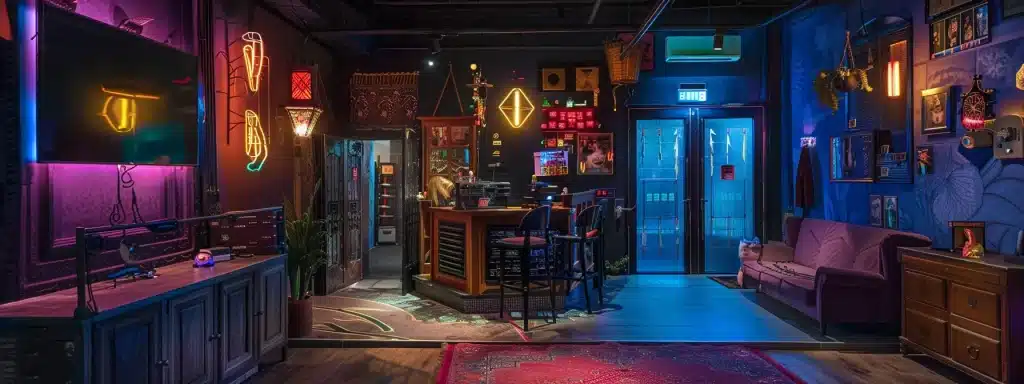
Identifying the target audience for an escape room experience is essential for creating lasting memories. Different age groups often favor specific themes and genres, impacting their experience. Understanding the expectations of families versus friends, as well as corporate groups seeking team-building, can inform design choices. Analyzing current trends, considering feedback, and focusing on elements like lighting, narrative, and realism will help tailor the escape room for maximum engagement and enjoyment.
Analyze Age Groups and Their Preferences for Themes
When creating an immersive escape room, it is vital to analyze the preferences of various age groups, as they tend to gravitate toward different themes and experiences. For instance, younger audiences may enjoy themes inspired by immersive theater or adventurous narratives, while older participants might appreciate more intricate plots with elements of a dark ride, emphasizing suspense and challenge. This understanding not only captures their attention but also enhances immersion, ultimately leading to lasting memories in a vibrant city like New York City, where the competition for unforgettable experiences is high.
Understand the Expectations of Families Versus Friends
Families often seek a wholesome experience in an escape room, aiming for opportunities to bond while engaging in storytelling that sparks their imagination. They may appreciate an interactive actor who guides the narrative, helping them navigate through puzzles filled with red herrings or clever twists that keep everyone guessing. In contrast, friends usually favor a more competitive atmosphere, enjoying challenges that test their problem-solving skills, especially when the room presents dark themes or curses that add an element of thrill to their adventure.
Consider Corporate Groups and Team-Building Activities
Corporate groups often seek unique entertainment experiences that facilitate team bonding and enhance communication skills. By incorporating carefully designed scenarios into the escape room, such as problem-solving challenges that require collaboration, organizations can create an engaging environment that promotes teamwork. The Paniq Escape Room provides various themed experiences that can be tailored to meet the specific needs of corporate clients, ensuring both enjoyment and effective team-building outcomes.
Research Popular Trends in Escape Room Design
Researching popular trends in escape room design is crucial for ensuring that the experience remains engaging and relevant. Current trends highlight an emphasis on technology integration, such as virtual reality elements and interactive props that elevate immersion. Additionally, themes that diversify traditional narratives, such as those inspired by popular culture or real-life events, attract a wider audience, enhancing the overall appeal and memorability of the escape room experience.
Gather Feedback From Potential Participants
Gathering feedback from potential participants is a vital step in tailoring the escape room experience. Engaging directly with diverse audiences, such as families, friends, and corporate groups, allows designers to understand their preferences and expectations. Utilizing surveys or focus groups can reveal insights into what themes and challenges resonate most, ensuring that the final design captivates visitors and creates memorable interactions during their adventure.
Tailor Your Design for Maximum Engagement and Enjoyment
To create an engaging escape room experience, designers must focus on incorporating elements that resonate with various target audiences. By understanding the interests and preferences of families, friends, and corporate groups, teams can develop thoughtfully crafted puzzles and narratives that encourage interaction and teamwork. For example, including family-friendly themes that promote cooperation and offering competitive scenarios for friends can lead to higher engagement and ultimately result in lasting memories for all participants.
Create an Engaging Theme for Lasting Memories

Creating an engaging theme is essential for an immersive escape room experience that leaves lasting memories. Captivating storylines enhance immersion, while a mix of genres can attract diverse audiences. Incorporating local culture adds relevance, and designing puzzles that align with the narrative ensures smooth progression. Consistent visuals and complementary soundtracks further enrich the atmosphere, adding depth to the overall experience.
Brainstorm Captivating Storylines to Enhance Immersion
Crafting captivating storylines is crucial for enhancing immersion in an escape room experience. Designers should aim for narratives that resonate with participants, drawing them into the adventure through relatable characters and compelling conflicts. For instance, a storyline set in a haunted mansion, where guests must uncover family secrets to break a curse, can stimulate engagement by combining suspense with interactive elements that encourage teamwork and critical thinking.
Use a Mix of Genres to Appeal to Diverse Audiences
Utilizing a mix of genres in escape room design effectively caters to a broader audience by combining elements that resonate with different interests. For instance, a setting that intertwines mystery, adventure, and fantasy can engage participants of varying ages and backgrounds, enhancing the overall experience. Incorporating diverse themes not only fosters inclusivity but also allows participants to connect with the narrative on multiple levels, creating a more memorable adventure.
Incorporate Local Culture or History Into Your Theme
Incorporating local culture or history into the escape room theme can significantly enhance the experience for participants. By weaving regional tales or historical events into the narrative, designers can create relatable scenarios that resonate with players. For instance, an escape room reflecting the unique history of a city can engage visitors, allowing them to connect with their surroundings while solving puzzles that highlight significant local artifacts or legends.
Design Puzzles That Align With the Chosen Narrative
Designing puzzles that align with the chosen narrative is critical for creating an engaging escape room experience. Each puzzle should seamlessly integrate into the storyline, enhancing immersion and keeping participants invested in their quest. For example, if the narrative involves deciphering ancient codes to unlock secrets, puzzles that require historical knowledge or pattern recognition can reinforce the theme while challenging the players’ problem-solving skills.
Ensure Consistency in Visuals and Atmosphere
Ensuring consistency in visuals and atmosphere is vital for creating an immersive escape room experience that resonates with participants. Every element, from the room‘s decor to the sound effects, should align with the chosen theme and narrative. For example, if the escape room centers around a haunted mansion, the use of dim lighting, vintage furniture, and eerie soundscapes can significantly enhance the overall ambiance, drawing players deeper into the storyline and making their adventure more memorable.
Select Appropriate Soundtracks to Complement the Theme
Selecting appropriate soundtracks is essential in enhancing the immersive experience of an escape room. Music and sound effects can evoke emotions and build tension, guiding participants through their adventure. For instance, a suspenseful score can create an atmosphere of mystery in a horror-themed room, while uplifting melodies can promote a playful environment in family-oriented challenges, ensuring that the sound design aligns seamlessly with the overall theme and narrative.
Design Unique Puzzles and Challenges for Guests

Designing unique puzzles and challenges is vital for creating an engaging escape room experience. This includes assessing various types of puzzles to stimulate critical thinking, planning a balanced difficulty curve to manage frustration, and integrating technology for modern interactions. Additionally, team-oriented challenges can foster collaboration, while meticulous testing ensures clarity and enjoyment. Gathering participant feedback provides insights for continuous improvement.
Assess Different Types of Puzzles to Stimulate Thinking
Assessing different types of puzzles is essential for enhancing the thought process during an escape room experience. Incorporating a mix of logical, physical, and observational challenges encourages critical thinking and teamwork among participants. For example, a puzzle that requires deciphering clues from visual cues can stimulate creativity, while a physical challenge might test coordination. This varied approach not only keeps participants engaged but also ensures that the escape room accommodates diverse problem-solving styles and enhances overall enjoyment for all players.
Plan a Balanced Difficulty Curve to Manage Frustration
Planning a balanced difficulty curve is essential for managing player frustration within an escape room. Designers should start with easier puzzles to build confidence among participants before gradually increasing the complexity. This approach not only ensures a smooth progression but also allows players to feel a sense of achievement, enhancing their overall experience and encouraging them to engage more deeply with the challenges presented.
Integrate Technology for Modern Puzzle Interactions
Integrating technology into escape room designs can greatly enhance the interactive experience for guests. Features such as augmented reality or digital interfaces allow participants to engage with puzzles in innovative ways, making the adventure more immersive. For instance, using tablets to scan QR codes can unlock clues or trigger animations, ensuring that each challenge feels fresh and exciting, which keeps participants engaged and eager to solve more.
Create Team-Oriented Challenges to Foster Collaboration
Creating team-oriented challenges in an escape room is essential for fostering collaboration among participants. These challenges encourage players to work together, leveraging individual strengths to solve puzzles efficiently. For instance, incorporating tasks that require members to split into smaller groups to unlock different elements simultaneously enhances communication and teamwork, ensuring a more engaging and memorable experience.
Test Each Puzzle Meticulously for Clarity and Fun
Testing each puzzle in an escape room is critical for ensuring clarity and enjoyment for all participants. Designers should engage diverse test groups to assess how easily players can understand and solve puzzles, addressing any confusing elements before the room opens to the public. By incorporating firsthand feedback, designers can refine the challenges, ensuring they are both fun and straightforward, ultimately creating a memorable experience that encourages repeated visits.
Gather Feedback and Adjust Puzzles Based on Trials
Gathering feedback from trial participants plays a crucial role in enhancing the effectiveness of unique puzzles within an escape room. By collecting insights regarding puzzle clarity and engagement levels, designers can fine-tune challenges, ensuring they meet player expectations and provide an enjoyable experience. For example, if players consistently struggle with a particular puzzle, adjustments can be made to simplify instructions or redesign elements to promote smoother interactions, ultimately leading to a more memorable adventure.
Incorporate Effective Storytelling Techniques in the Escape Room

Incorporating effective storytelling techniques is crucial for designing an immersive escape room that creates lasting memories. This section will cover developing layered narratives that unfold during gameplay, utilizing clues and props to narrate the story organically, and engaging players through character roles and interactions. Additionally, scene transitions will be discussed to heighten emotional impact and create memorable moments that resonate with players, ultimately encouraging repeat visits.
Develop Layered Narratives That Unfold During Gameplay
Developing layered narratives that unfold during gameplay is essential for creating a memorable escape room experience. By introducing story elements gradually, designers can maintain player engagement and heighten anticipation as they progress through the challenges. For instance, a narrative may start with a simple premise, but as participants solve puzzles, they uncover deeper plot twists that reveal hidden motivations and secrets, enhancing their emotional investment in the adventure.
Utilize Clues and Props to Narrate the Story Organically
Utilizing clues and props effectively within an escape room can significantly enhance the storytelling experience, creating a more immersive environment for players. By integrating items that relate directly to the narrative, such as old letters or artifacts, designers can subtly guide participants through the plot. For instance, a diary found in a mysterious room might reveal crucial backstory elements, encouraging players to piece together the storyline as they solve puzzles, thereby deepening their engagement and emotional connection with the adventure.
Engage Players With Character Roles and Interactions
Engaging players with character roles and interactions can significantly enhance the immersive experience of an escape room. By introducing actors or guiding characters, designers can create dynamic storytelling moments that encourage participants to interact and collaborate in meaningful ways. For example, a character who provides hints or engages in dialogue can not only drive the narrative forward but also foster emotional connections, making the experience more memorable for all involved.
Design Scene Transitions That Heighten Emotional Impact
Designing effective scene transitions in an escape room can significantly heighten the emotional impact of the overall experience. By seamlessly moving players from one environment to another, designers can evoke a sense of progression and urgency that amplifies immersion. For example, transitioning from a dimly lit library to a hidden, vibrant laboratory can surprise participants, enhancing their emotional engagement with the narrative and leaving lasting memories as they uncover new secrets along the way.
Create Memorable Moments That Resonate With Players
Creating memorable moments within an escape room hinges on the careful integration of narrative-driven elements that resonate with players. Designers can implement pivotal scenes that evoke strong emotions, such as a character reveal or a significant plot twist, which not only surprise but also engage participants deeply. For example, incorporating a dramatic countdown timer at a critical juncture can heighten tension and ensure that players feel a genuine sense of urgency, enriching their overall experience and fostering lasting memories associated with the adventure.
Use Storytelling Elements to Encourage Repeat Visits
Incorporating compelling storytelling elements within an escape room can significantly increase the likelihood of repeat visits. By weaving a narrative that evolves with each participation, players become invested in the overarching plot, creating a desire to return for further exploration of twists and turns. For example, implementing a mystery that players can unravel over multiple visits not only enhances engagement but also fosters a community of enthusiasts eager to share their experiences, thereby expanding the room‘s appeal and ensuring lasting memories.
Utilize Ambiance and Decor for Enhanced Immersion
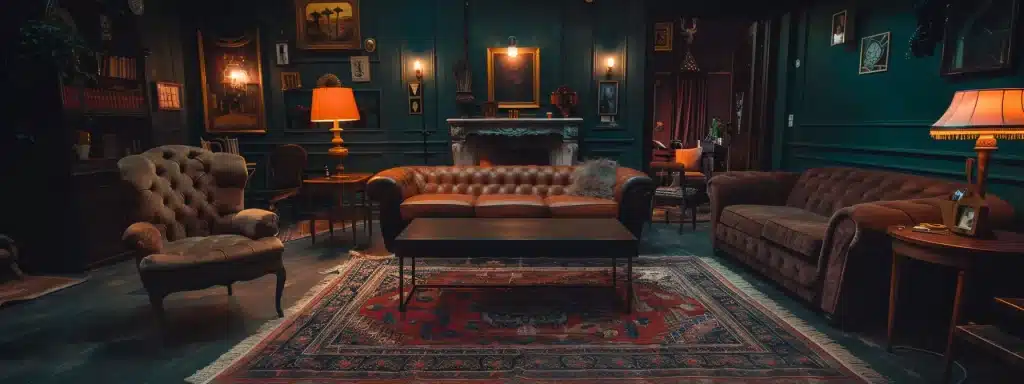
Utilizing ambiance and decor is essential for enhancing immersion in an escape room experience. Designers should choose color schemes that reflect the theme and mood while selecting appropriate furniture and props to enrich the setting. Implementing effective lighting design creates an atmospheric vibe, and balancing sound design avoids distractions. Accessibility must be ensured alongside engaging decor, while refreshing the ambiance periodically keeps the experience lively and appealing.
Choose Color Schemes That Reflect the Theme and Mood
Choosing color schemes that reflect the theme and mood of an escape room is fundamental in creating a captivating atmosphere. For example, dark hues may enhance suspense in a horror-themed room, while bright, vibrant colors can evoke a sense of adventure in a treasure hunt scenario. By carefully selecting colors, designers can effectively influence participants’ emotions and behaviors, making the experience more engaging and memorable.
Select Appropriate Furniture and Props to Enrich the Setting
Selecting appropriate furniture and props is a key aspect of creating an immersive escape room environment. Items should align with the chosen theme, enhancing the setting while providing practical engagement for participants. For instance, in a Victorian-era escape room, vintage furniture and antique props can transport players back in time, making the experience more engaging and memorable as they interact with their surroundings to solve puzzles.
Implement Lighting Design to Create an Atmospheric Vibe
Implementing effective lighting design is crucial for creating an atmospheric vibe in an escape room that enhances immersion and leaves lasting memories. By utilizing dynamic lighting techniques, such as spotlights and ambient illumination, designers can evoke specific emotions and highlight key areas of the room. For example, dim, flickering lights may amplify suspense in a thriller-themed environment, while warm, soft hues can create a cozy setting in a family-friendly space, ensuring participants feel fully engaged in the narrative.
Balance Sound Design to Avoid Distraction or Discomfort
Balancing sound design within an escape room is essential for creating an immersive environment that captivates participants without causing distraction or discomfort. Designers should carefully select ambient sounds and music that complement the theme, ensuring they enhance the storytelling without overwhelming players. For instance, a subtle background score can build suspense in a thriller-themed room, allowing participants to remain focused on puzzles while still feeling the emotional weight of the narrative.
Ensure Accessibility While Maintaining an Engaging Decor
Ensuring accessibility while maintaining engaging decor is vital for creating an inclusive escape room experience. Designers should consider various needs, such as wheelchair access and sensory-friendly elements, while implementing creative decor that captivates participants. For example, using adjustable lighting and sound control can enhance the atmosphere without alienating those with sensory sensitivities, allowing all players to fully engage with the immersive environment.
Refresh Decor and Ambiance Periodically to Keep It Lively
Refreshing the decor and ambiance of an escape room regularly is essential for maintaining engagement and interest among returning participants. By updating elements such as props, furniture, and lighting, designers can transform the experience, making it feel new and exciting. For example, incorporating seasonal decorations or rotating themes can attract repeat customers while ensuring that each visit remains memorable and unique, ultimately enhancing customer satisfaction and encouraging word-of-mouth referrals.
Market Your Escape Room for Maximum Visibility

To achieve maximum visibility for an escape room, it is essential to focus on several effective marketing strategies. Creating a standout brand identity and logo will help establish recognition, while leveraging social media allows for showcasing unique experiences. Collaborating with influencers can expand outreach, and promotions attract initial visitors. Implementing SEO tactics on the website enhances reach, while gathering customer testimonials builds trust and interest.
Create a Standout Brand Identity and Logo for Recognition
Creating a standout brand identity and logo is vital for an escape room aiming to achieve maximum visibility in a competitive market. A well-designed logo should encapsulate the essence of the escape room‘s theme while being easily recognizable across various platforms, helping to attract potential customers. For instance, incorporating elements from the escape room‘s storyline or unique features can foster a memorable impression, making it easier for visitors to connect with the brand and share their experiences with others.
Leverage Social Media to Showcase Unique Experiences
Leveraging social media is an effective strategy for showcasing unique escape room experiences and reaching a broader audience. By sharing visually engaging content, such as behind-the-scenes videos, participant testimonials, and captivating images of themed environments, escape room operators can draw interest and foster excitement. Engaging with potential customers through interactive posts, such as polls or giveaways, not only builds community around the brand but also highlights the immersive elements that create lasting memories.
Collaborate With Influencers to Expand Outreach
Collaborating with influencers can significantly enhance the visibility of an escape room, attracting a broader audience and fostering interest in immersive experiences. By partnering with social media personalities who resonate with the thematic elements of the escape room, businesses can effectively showcase their unique offerings through engaging content, such as previews and participant testimonials. This strategy not only builds credibility but also taps into the influencer’s network, drawing potential visitors who are eager for exciting adventures while creating lasting memories.
Offer Promotions or Discounts to Attract Initial Visitors
Offering promotions or discounts is an effective strategy for attracting initial visitors to an escape room. When launching a new immersive experience, introductory rates or referral discounts can entice groups looking to try something fresh and unique. For example, partnering with local businesses or running social media campaigns that provide limited-time offers can boost visibility and encourage bookings, ensuring that the escape room gains traction in the competitive market.
Utilize SEO Tactics on Your Website for Better Reach
Utilizing SEO tactics on an escape room‘s website is essential for enhancing online visibility and attracting a larger audience. By incorporating targeted keywords related to the escape room experience, such as “immersive escape rooms” and “team-building activities,” operators can improve search engine rankings and connect with potential customers seeking unique experiences. Additionally, optimizing the website’s content through engaging descriptions, clear calls to action, and relevant blog posts can drive traffic and enhance the overall user experience, ultimately contributing to the escape room‘s success and memorability.
Gather and Showcase Customer Testimonials and Reviews
Gathering and showcasing customer testimonials and reviews is a vital strategy for boosting the visibility of an escape room. Positive feedback from participants not only enhances credibility but also serves as compelling evidence of the quality and enjoyment of the experience. By prominently displaying these testimonials on the escape room‘s website and social media platforms, potential customers gain confidence in their decision to choose that specific room, thus increasing the likelihood of bookings and fostering lasting memories for all who participate.
Conclusion
Designing an immersive escape room is vital for creating unforgettable experiences that resonate with participants. By understanding target audiences, incorporating captivating themes, and developing unique puzzles, operators can enhance engagement and foster lasting memories. Effective storytelling, ambiance, and innovative marketing strategies further contribute to the overall appeal. Ultimately, a thoughtfully crafted escape room experience not only entertains but also encourages repeat visits and community building among enthusiasts.
